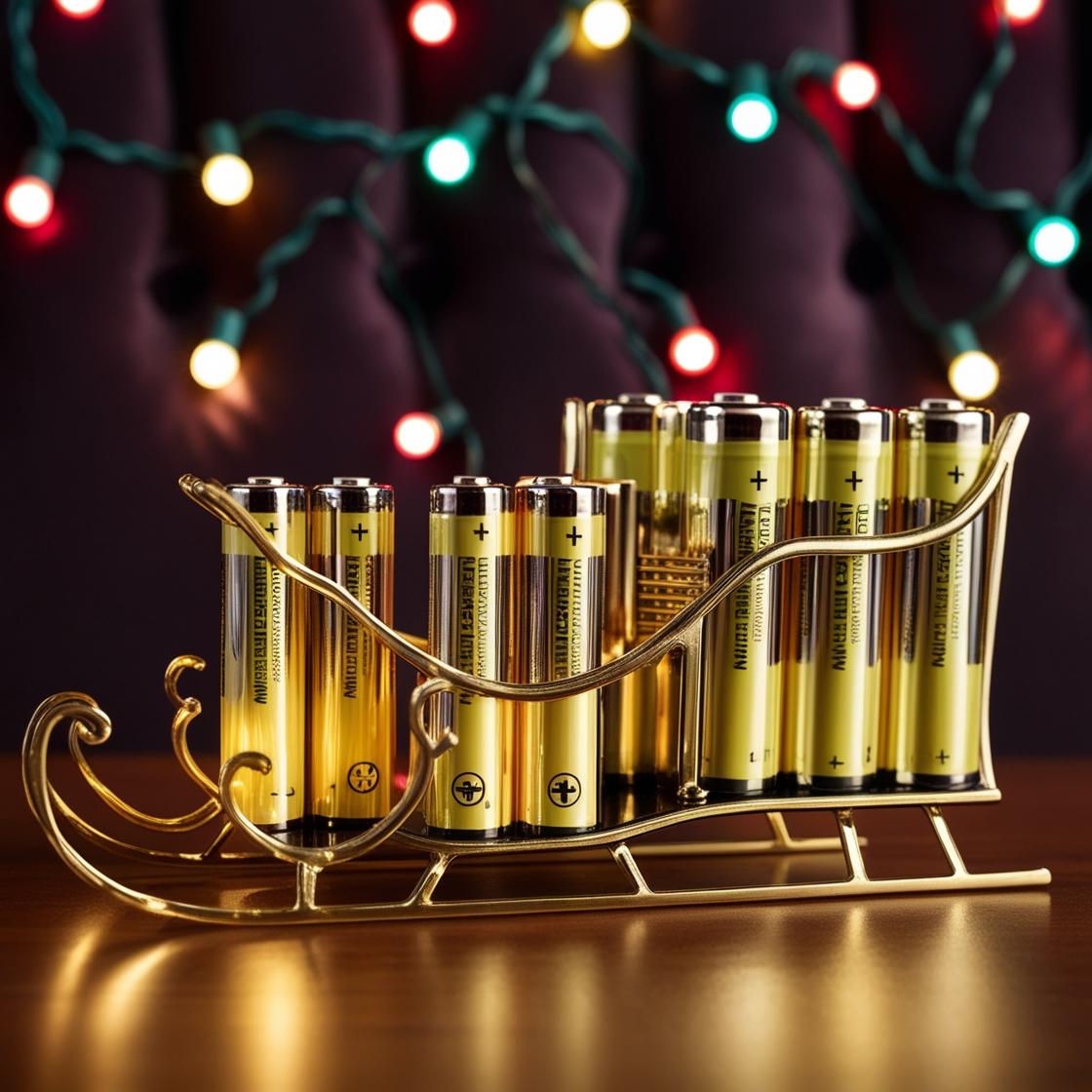
Helmi climbed into Santa’s sleigh, tools in hand, and pried open the panel housing the onboard electronics. The batteries sat snugly in their compartments, but a quick voltage check made Helmi’s heart sink. “These won’t last a full Christmas Eve,” they muttered. Worse, the charging electronics were woefully inefficient, wasting precious energy. A digital twin—a real-time simulation model of the battery system—could solve this, but the energy cost of running one digitally would only drain the batteries faster.
Instead, Helmi returned to the workbench and began from first principles. Using ordinary differential equations to model the battery’s behavior, they designed an analog processor to compute the system dynamics directly. The result: a sleek, efficient device that adjusted charging rates on the fly, extending the battery life cycle and speeding up recharges without compromising capacity. By evening, the sleigh’s systems hummed with new vitality. Helmi leaned back with a satisfied grin. “Ready for takeoff,” they said, patting the sleigh’s dashboard. “Efficient, reliable, and just in time for Christmas.”
